
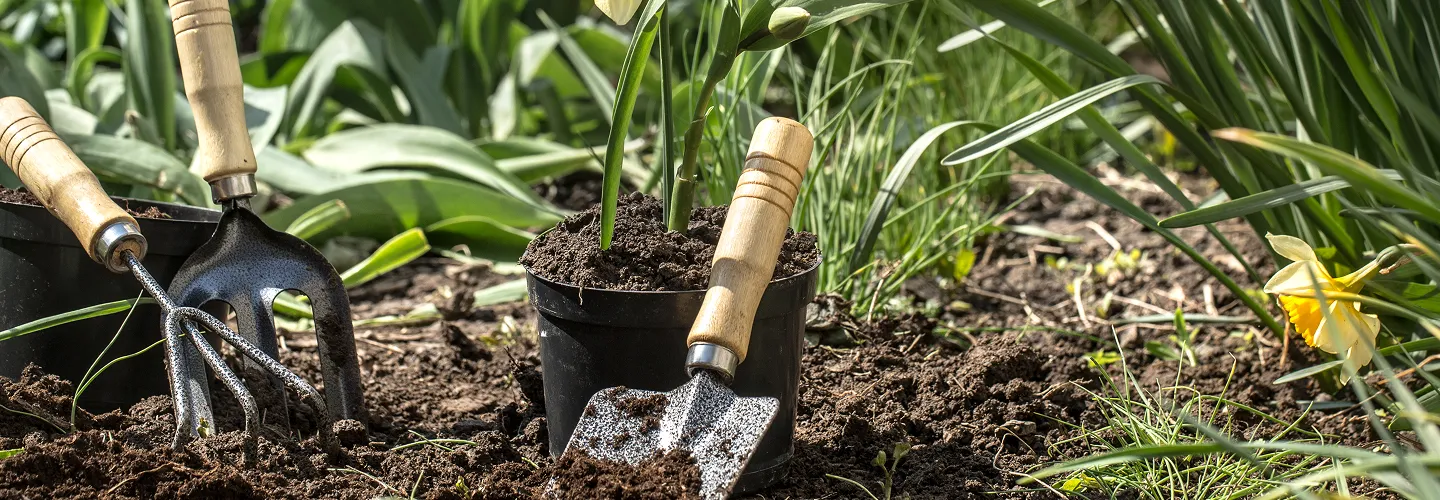
Covington Flower Planting Services
Choose our flower planting services for vibrant, healthy blooms that enhance your home's curb appeal and create a welcoming outdoor space, all handled by experienced professionals who care about your satisfaction.
Get a Free QuoteOur Covington Landscaping & Yard Care Services
When to Schedule Flower Planting in Covington, Georgia – Seasonal Guide
Flower planting in Covington, Georgia, is best scheduled with careful attention to our region’s unique climate and landscape. The ideal planting windows are typically early spring, after the last frost date in late March, and early fall, when soil temperatures remain warm but the risk of extreme heat has diminished. Neighborhoods near Turner Lake and the historic Covington Square often experience microclimates due to mature tree canopies and varying shade coverage, which can influence both soil moisture and temperature.
Local environmental factors such as our clay-heavy soils, periodic drought risk during late summer, and high humidity levels all play a role in determining the best time for planting. It’s important to consider the average precipitation patterns and municipal guidelines, especially in areas like Eastside and Oxford, where water restrictions may occasionally apply. For more detailed local climate data, you can consult resources like the Sudbury town website.
Local Factors to Consider for Flower Planting in Covington
- Proximity to large trees and resulting shade coverage
- Soil type and drainage, especially in older neighborhoods
- Average precipitation and drought risk during summer months
- Frost dates and temperature fluctuations in early spring and late fall
- Terrain and elevation, particularly near the Alcovy River
- Municipal watering restrictions or guidelines
Benefits of Flower Planting in Covington
Expert Local Knowledge
Customized Landscape Designs
Seasonal Plant Selection
Enhanced Curb Appeal
Professional Maintenance Services
Eco-Friendly Landscaping Solutions

Covington Flower Planting Types

Annual Flower Planting
-
Perennial Flower Beds
-
Native Wildflower Gardens
-
Seasonal Color Rotations
-
Pollinator-Friendly Plantings
-
Shade Garden Flowers
-
Drought-Tolerant Flower Beds
Our Flower Planting Process
Site Evaluation
Soil Preparation
Plant Selection
Careful Planting
Watering and Mulching
Why Choose Covington Landscape Services
-
Covington Homeowners Trust Us
-
Expert Lawn Maintenance
-
Reliable Scheduling
-
Competitive Pricing
-
Professional Team
-
Satisfaction Guarantee
-
Personalized Service
Covington's Piedmont Clay Soils and Bed Preparation for Flower Planting
Covington, Georgia sits within the Piedmont physiographic region, where soils are predominantly Cecil and Appling series — dense, red clay-based Ultisols with naturally acidic pH levels typically ranging from 5.0 to 6.0. These soils drain poorly when compacted and can restrict root development for flowering annuals and perennials if not properly amended before planting. Residents and property managers should conduct a soil test through UGA Cooperative Extension prior to establishing new flower beds, as lime applications may be necessary to raise pH to the 6.0–6.5 range preferred by most ornamental flowering plants. Practical bed preparation steps for Covington's clay-dominant soils include:
- Incorporating 3–4 inches of compost or aged organic matter to improve drainage and aeration
- Tilling to a minimum depth of 8–10 inches to break compaction layers
- Avoiding bed installation during wet periods when clay is prone to smearing and structural damage
- Confirming soil drainage by observing water infiltration rates before selecting moisture-sensitive species
Soil survey data for Newton County is available through the USDA Web Soil Survey.
Optimal Flower Planting Windows for Covington's Long Growing Season
Covington falls within USDA Plant Hardiness Zone 8a, as confirmed by the USDA Plant Hardiness Zone Map, with average annual minimum temperatures between 10°F and 15°F. This zone supports a long warm-season growing window, but late spring frosts can occur through mid-March, making premature planting of frost-sensitive annuals a risk. The National Weather Service Peachtree City forecast office provides local frost date guidance relevant to Newton County. Recommended planting windows for Covington include:
- Cool-season annuals (pansies, snapdragons, dianthus): September through November for fall establishment; late February through March for spring color
- Warm-season annuals (marigolds, zinnias, vinca, impatiens): After the last average frost date, typically mid-March to early April
- Hardy perennials (coneflower, black-eyed Susan, salvia): Spring planting from March through May or fall planting in September through October for root establishment before winter
- Summer heat-tolerant species: Established by late April to allow root development before Covington's intense July–August heat and humidity
Monitoring soil temperature — ideally above 60°F for warm-season species — is a more reliable planting indicator than calendar date alone.
Protecting Covington's Streams and Stormwater Infrastructure During Flower Bed Installation
Covington's stormwater system drains into local waterways including Alcovy River tributaries and associated drainage corridors throughout Newton County. Flower bed installation activities that disturb soil, introduce fertilizers, or alter drainage patterns near these corridors require careful environmental management. The Georgia EPD Watershed Protection Branch establishes water quality standards applicable to residential and commercial land disturbance, and the Clean Water Act provides the federal framework governing runoff from disturbed sites. Covington's Environmental Compliance department oversees local stormwater protection and erosion and sediment control compliance.
Key practices for environmentally responsible flower planting near drainage features:
- Maintain a minimum 25-foot undisturbed buffer from stream banks and drainage channels unless otherwise specified by local ordinance
- Avoid applying granular or liquid fertilizers within 10 feet of storm drains, curb inlets, or drainage swales
- Use erosion control measures such as silt fencing or straw wattles on sloped beds during establishment
- Confirm site-specific buffer requirements with the city before disturbing soil near identified drainage corridors
Covington Environmental Compliance
2194 Emory Street NW, Covington, GA 30014
Official Website: Covington Environmental Compliance
Native and Adapted Flower Selections for Covington's Heat, Humidity, and Shade Conditions
Covington's summer climate is characterized by high humidity, temperatures regularly exceeding 90°F from June through August, and variable shade conditions created by mature hardwood canopies common throughout older neighborhoods. Selecting species adapted to these conditions reduces irrigation demand, minimizes disease pressure, and supports local pollinators. UGA Cooperative Extension provides regionally specific plant selection guidance for Georgia Piedmont landscapes. Recommended species categories for Covington planting beds include:
- Full-sun, heat-tolerant annuals: Vinca (Catharanthus roseus), portulaca, celosia, and lantana perform reliably through Covington's peak summer heat
- Shade-tolerant options: Impatiens (where downy mildew pressure is managed), caladiums, begonias, and torenia are appropriate for north-facing or canopy-shaded beds
- Georgia-native perennials: Purple coneflower (Echinacea purpurea), black-eyed Susan (Rudbeckia hirta), and native phlox species support local pollinators and tolerate Piedmont clay soils
- Invasive species avoidance: Confirm that selected ornamental species are not listed on Georgia's invasive plant watch list, available through UGA Extension - Invasive Species
Mulching beds with 2–3 inches of pine bark or hardwood mulch significantly reduces moisture loss and moderates soil temperature during Covington's summer months.
What Neighborhoods Do We Serve Throughout Covington, GA?
- Historic Downtown Covington: Older residential lots with established tree canopies and compacted clay soils; shade management and root competition are primary considerations for flower bed placement and species selection.
- Dearing Street / Oxford Road Corridor: Mixed residential area with mature landscaping and variable drainage; beds near roadside swales require erosion-conscious installation practices.
- Flat Shoals Road Area: Newer residential development with fill soils and altered drainage patterns; soil amendment is often necessary before establishing perennial or annual flower beds.
- Covington Town Center Vicinity: Commercial and mixed-use properties with hardscape-adjacent planting areas; heat reflection from paving increases stress on flowering plants and requires heat-tolerant species selection.
- Usher Street / Washington Street Neighborhoods: Historic district-adjacent residential areas with older lots, established shade trees, and limited sun exposure in many front and side yards.
- Elks Club Road / Brown Bridge Road Subdivisions: Newer suburban developments with open lots, full-sun exposure, and red clay subsoil near the surface following grading; soil preparation is critical prior to planting.
Covington Planning and Zoning Considerations for Landscape Bed Modifications
Property owners undertaking significant landscape modifications — including the installation of raised flower beds, retaining structures, or planting within public rights-of-way — should verify applicable requirements with Covington's Planning and Development department. While routine residential flower planting typically does not require a permit, projects involving grading, structural edging over a certain height, or modifications within utility easements may be subject to review. The Covington Planning & Development office administers land use and development standards applicable to both residential and commercial properties. Property owners should also confirm:
- Whether proposed bed locations fall within recorded drainage or utility easements, which may restrict soil disturbance depth
- Right-of-way planting restrictions for beds adjacent to public sidewalks or street edges
- HOA landscape guidelines in applicable subdivisions, which may govern plant height, species type, or bed edging materials
- Zoning district standards for commercial properties that may include frontage landscaping requirements
Covington Planning & Development
2194 Emory Street NW, Covington, GA 30014
Official Website: Covington Planning & Development